
Author

François Ozon’s The Stranger is a visually arresting adaptation of Albert Camus’s existential masterpiece, L’Étranger. Set against the sweltering backdrop of 1940s French Algeria, this monochrome reimagining explores the chilling indifference of its protagonist, Meursault. By weaving contemporary perspectives on race and empire into the classic narrative, Ozon delivers a profound, thought-provoking cinematic experience that demands attention.
The Stranger Movie Review: A Haunting Portrait of Indifference and Imperialism
Director François Ozon takes a bold leap into literary history with The Stranger Movie Review, offering a “lustrously beautiful” adaptation of the 1942 novella by Albert Camus. Filmed in monochrome and set in the heat-drenched landscapes of 1940s French Algeria (captured in Morocco), the film serves as both a passionate homage and a sharp critique of its source material.
The Plot: A Heat-Stricken Descent into Violence
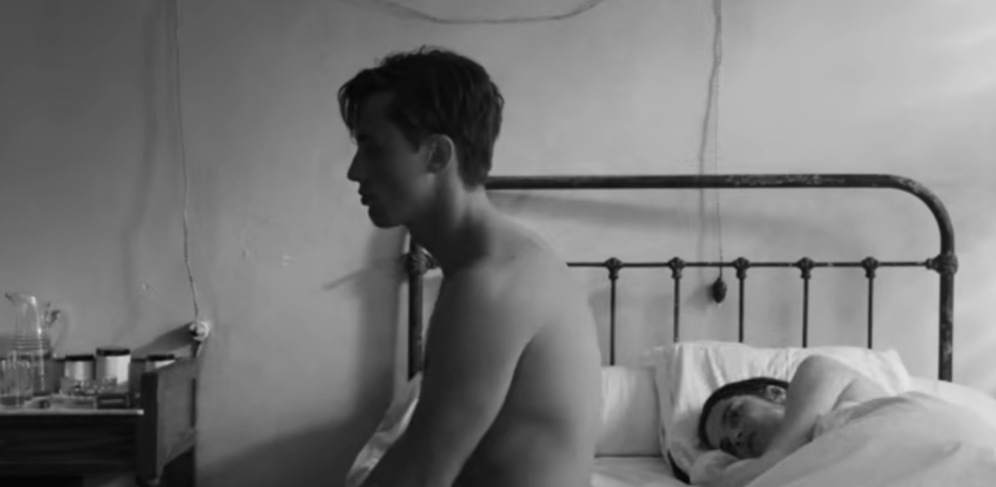
The story follows Meursault (Benjamin Voisin), a young clerk in Algiers whose life is defined by a profound, almost supernatural sense of apathy. The The Stranger Movie Review highlights his journey from the funeral of his mother—where he famously fails to shed a tear—to a fateful, sun-blinded encounter on a beach.
The narrative shifts between Meursault’s trial for the murder of an Algerian man and the flashbacks that led to the crime. His refusal to play the “social game”—lying about his grief or feigning religious remorse—becomes as much of an indictment against him as the murder itself. When asked for his motive in court, his infamous reply remains: “It was because of the sun.”
Cast and Character Portrayals
- Benjamin Voisin as Meursault: Voisin delivers a stellar performance, capturing the “unreadable moue of listless unconcern” required for the role. He portrays the antihero not as a monster, but as a man entirely disconnected from the cause-and-effect “pantomime” of human existence.
- Rebecca Marder as Marie: Marder brings a vibrant, much-needed warmth to the screen as Meursault’s girlfriend, providing a stark contrast to his coldness.
- Supporting Cast: Pierre Lottin is effectively “odious” as the seedy Raymond, while Denis Lavant provides a gritty turn as the dog-beating neighbor, Salamano.
Direction and Cinematography
François Ozon’s direction is meticulous, using an archive-reel aesthetic to ground the film in its historical era. The choice of monochrome cinematography is inspired; it emphasizes the blinding intensity of the Algerian sun and the stark moral voids of the characters. The The Stranger Movie Review notes that the film possesses a “supernaturally detailed sense of period and place,” making the setting a character in its own right.
Technical Aspects: Music and Pacing
The film’s pacing reflects Meursault’s own lethargy—a “numb ecstasy of the inexplicable.” The score and sound design work in tandem to amplify the oppressive heat and the psychological tension that bubbles beneath the surface of every “shrugging gesture of indifference.”
The Stranger Movie Review: The Verdict
The Stranger Web Series Review (or rather, this cinematic feature) succeeds in modernizing a classic by giving voice to the victims. By naming the “Arab” (Moussa) and his sister (Djemila), Ozon adds a layer of racial and imperial critique that the original text lacked. While this “softens” the brutal, heartless power of Camus’s existentialism, it creates a more relevant, grounded film for today’s audience.
It is a masterful exploration of a “martyr of the absurd,” depicting Meursault as the violent endpoint of a cynical imperialist overclass.
Frequently Asked Questions (FAQs) on The Stranger Movie Review
1. Is “The Stranger” based on a true story?
No, the film is an adaptation of the 1942 fictional novella L’Étranger (The Stranger) by the philosopher and author Albert Camus.
2. Where was “The Stranger” filmed?
Although the story is set in 1940s Algiers, the film was primarily shot on location in Morocco to capture the authentic period aesthetic.
3. How does this film differ from the original book?
While the book keeps the victim anonymous, referring to him only as “the Arab,” Ozon’s film gives the characters names (Moussa and Djemila) to highlight themes of racial injustice and colonial history.
4. What is the significance of the black and white (monochrome) format?
The monochrome visuals are used to reflect the intense, blinding heat of the sun and to create a timeless, existential atmosphere that mirrors the protagonist’s mental state.
Disclaimer: This review is based on the theatrical release of the film. The views expressed are a factual representation of the cinematic and cultural elements presented in the work. Release dates may vary by region (US, UK, and Australia).